
Restaurant Dispute Resolution Strategy: How to Win Back Delivery App Refunds

Updated: Oct 23
A delivery app refund is not a verdict. It is a first decision, made automatically, usually in seconds, with only the customer's side of the story. Restaurants that treat that first decision as final pay for orders they cooked correctly, delivered on time, and packed complete.
A dispute resolution strategy is the standing system that catches those charges: who reads the payout statement, what records get kept at the pass, which charges get disputed, and how outcomes get logged. Without that system, refunds leak quietly every week. With it, a large share of them come back.
Why Do Restaurants Need a Dispute Strategy in 2026?
Because the volume is structural, not occasional. A Circuit survey of 1,066 American consumers who had ordered delivery in the past month, reported by Restaurant Business, found that nine in ten had a food or grocery delivery go wrong, and 52% responded by asking for a refund. Every one of those refunds has to land somewhere, and by default it lands on the restaurant's payout.
Fraud sits inside that volume. Incognia, a fraud prevention company that works with delivery apps, found that about 48% of consumer fraud detected on delivery apps involved refund fraud: customers claiming a refund for food they actually received. A restaurant with no dispute process approves all of it by silence.
Since 2021, Jelly has recovered more than $1.6M in delivery app charges for restaurants across hundreds of locations, with an 89% success rate on refund recovery. The recoveries did not come from one big case. They came from a repeatable system applied to every statement, which is exactly what this post lays out.
What Does a Dispute Resolution Strategy Actually Include?
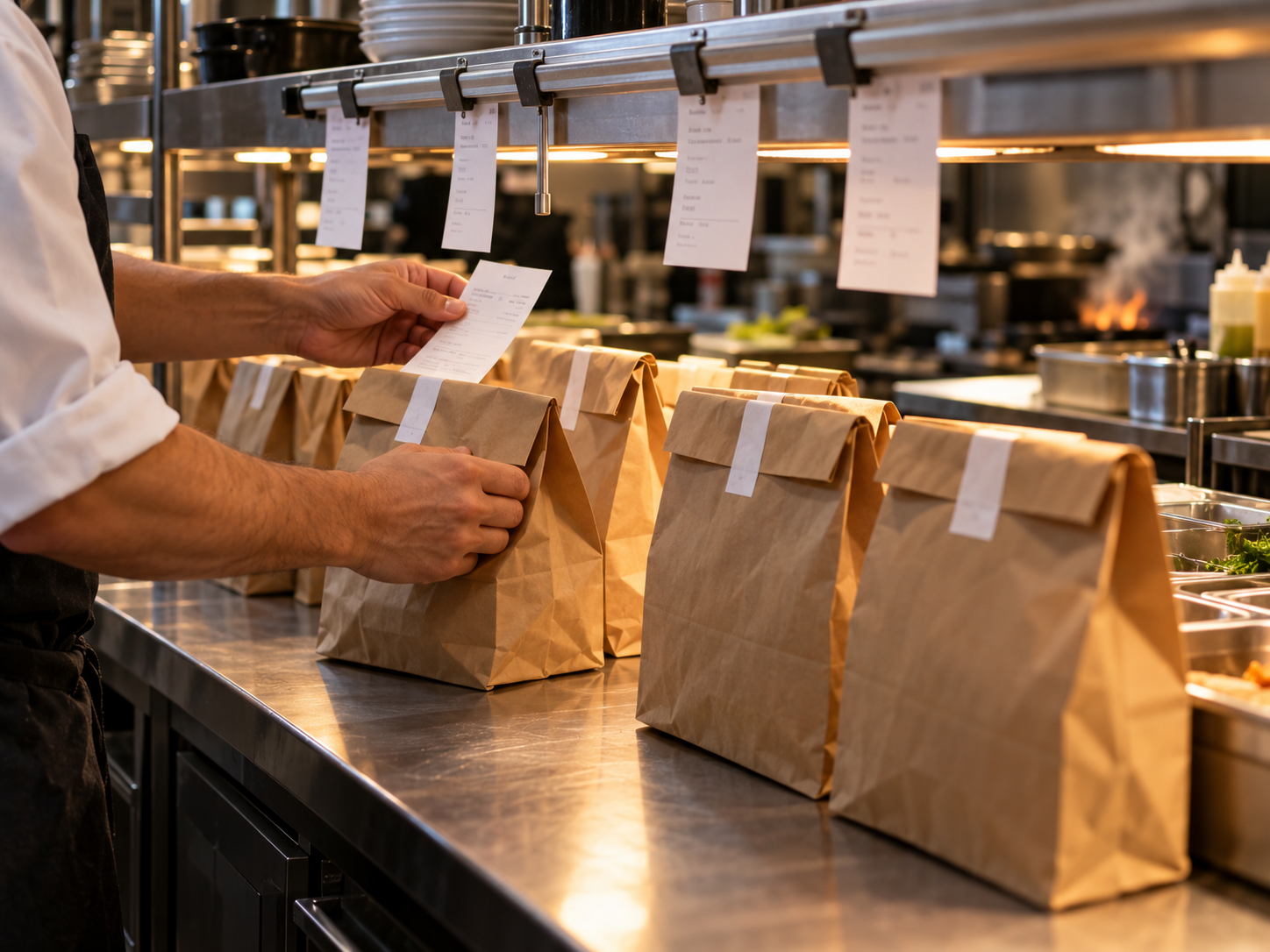
Five parts, and none of them need new software:
A weekly statement read. One person reads every refund, cancellation, and adjustment line on each platform statement, not just the payout total. Our step-by-step version is in how to audit your delivery app payout statement.
Records kept at the pass. Kitchen ticket times, sealed bag checks, and a photo or log for completed orders, kept long enough to match a charge when it appears days later.
A dispute rule. Dispute charges where your records are clean: orders packed complete, handed off on time, or canceled after the food was made. Fix operations instead where your kitchen actually caused the problem.
One filing routine per platform. DoorDash Merchant Portal, Uber Eats Manager, and Grubhub for Restaurants each have their own dispute flow and windows. The general playbook is in how restaurants can dispute unauthorized refunds.
An outcome log. Every case number, decision, and credit, checked against the next statement so a promised reversal that never lands gets chased.
Which Charges Should a Restaurant Dispute First?
Start where the records are strongest and the pattern repeats:
Missing item refunds on orders packed complete. The most common claim type, covered in depth in missing item refunds.
Late delivery refunds where your kitchen was on time. If the delay happened at pickup or on the road, the timeline proves it; see late delivery refunds.
Canceled orders paid at $0.00 after food was made. See who pays when a delivery app cancels your order.
Chargebacks. These bypass the apps and arrive through the bank, with a fee on top; the difference matters and is explained in delivery app chargebacks vs refunds.
How Long Does a Dispute Strategy Take Each Week?
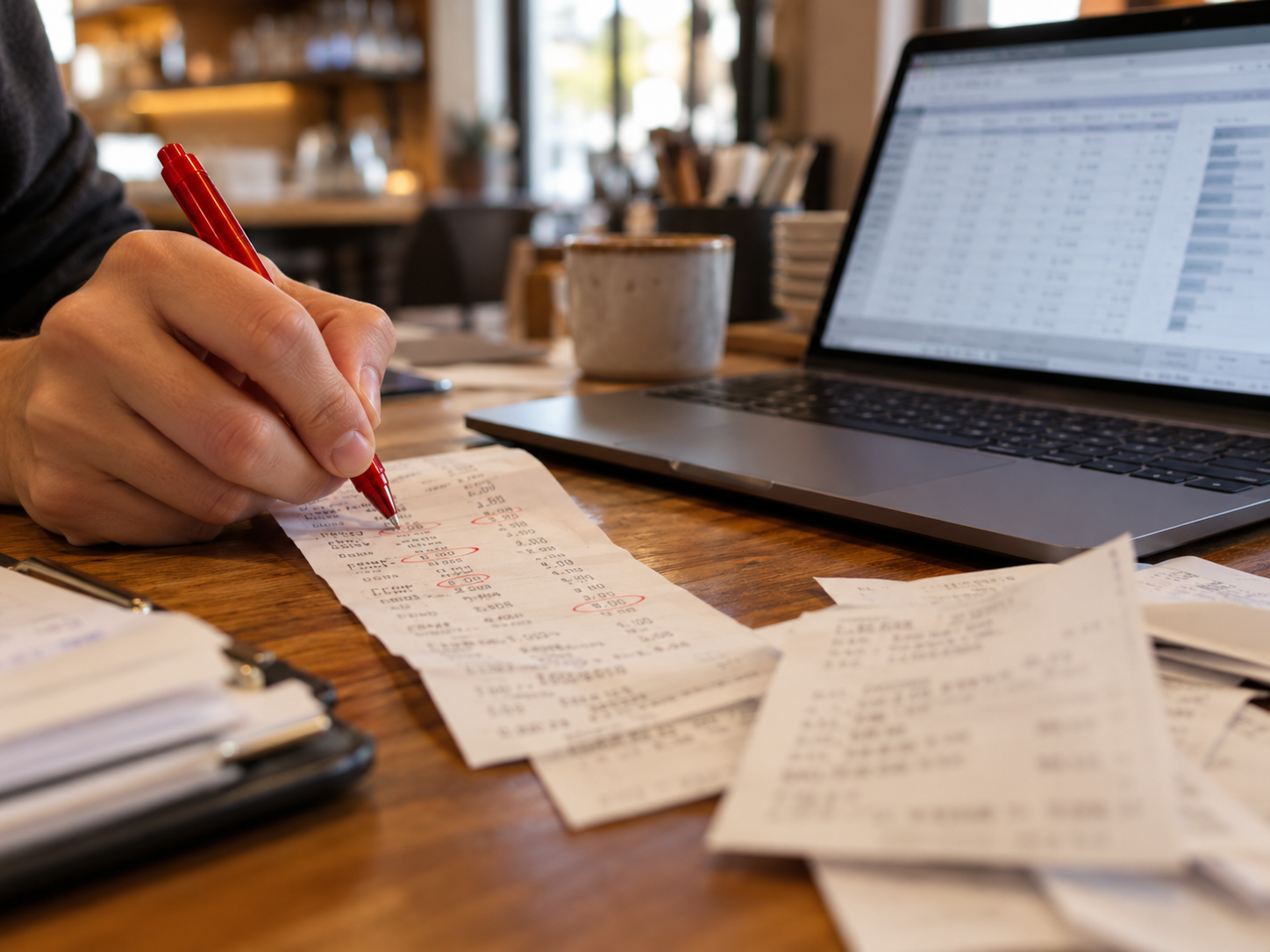
For a single location, the weekly statement read takes about 20 minutes once the routine exists. Filing is the variable part: a handful of clean cases can take another 30 minutes. The cost of skipping it is not zero, it is every bad charge on the statement, repeated every payout cycle.
That time math is why many restaurants hand the work off. Jelly, founded in 2021, runs the full system for restaurants on DoorDash, Uber Eats, and Grubhub: audit every line, dispute the bad charges, track every case to an outcome. See the plans at gotjelly.com/plans.
Frequently Asked Questions
What is a restaurant dispute resolution strategy?
It is a standing weekly system for delivery app charges: read every payout line, keep order records at the pass, dispute charges your records contradict, file through each platform's process, and log every outcome against the next statement.
Why do delivery apps refund customers without asking the restaurant?
Speed. Most customer complaints are resolved automatically in the app to keep the customer, and the deduction lands on the restaurant payout first. The restaurant's side is only heard if the restaurant disputes the charge.
How much can a restaurant recover by disputing refunds?
It varies by volume and how long charges went unchecked. Jelly has recovered more than $1.6M across hundreds of locations since 2021, with an 89% success rate on refund recovery, mostly from ordinary weekly charges rather than single large cases.
Which delivery app charges are worth disputing?
Missing item refunds on orders packed complete, late delivery refunds where the kitchen was on time, canceled orders paid at zero after food was made, chargebacks, and fee or adjustment lines that do not match your contract.
How often should a restaurant review delivery app charges?
Weekly, on every platform statement. Refund and dispute windows are limited, and a charge spotted the week it posts is far easier to document than one found a month later.


Comments