.png)
Missing Item Refunds: How Restaurants Dispute Them and Win

The most common refund on delivery apps is also the hardest one to fight blind. A customer taps a button, reports that an item was missing from the order, and the platform refunds them instantly. The money comes out of your payout. You are almost never asked for your side of the story first.
Missing item claims can be legitimate. Kitchens make mistakes, especially during a rush. But they are also the easiest type of refund to fake, and many restaurant owners suspect, correctly, that a meaningful share of them never involved a real mistake at all. Either way, there is a playbook for handling them: document every order, recognize the patterns, and dispute the claims that do not add up.
Why Missing Item Claims Hit Restaurants So Hard
When a customer reports a missing item, the platform refunds the price of that item, and sometimes the whole order. The refund is deducted from your payout automatically. You lose the food cost, the packaging, the labor, and the commission you already paid on the sale.
Three things make this refund type especially painful:
They are instant.Platforms issue the refund the moment the customer reports it. No pause for your evidence.
They are frequent.A small number of orders per week with missing item claims can add up to hundreds of dollars a month for one location.
They are invisible.Most owners only see a refund line on the payout statement days later, long after the bag left the building and any evidence went cold.
The restaurant is the only party in the transaction that cannot see what is inside the sealed bag once the driver leaves. That asymmetry is exactly why documentation matters.
Legit Mistakes vs Fraud: The Patterns That Tell Them Apart
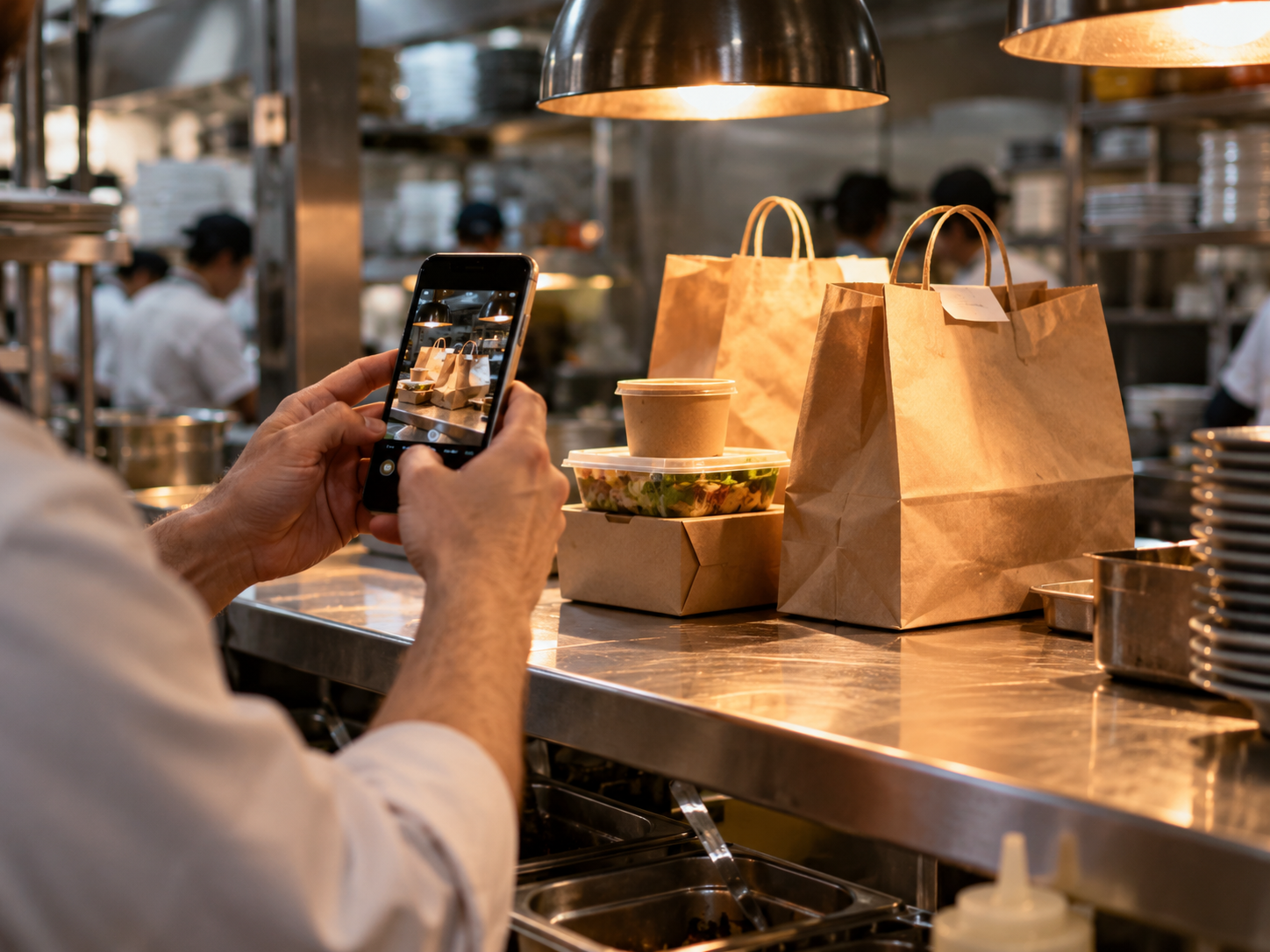
An honest missing item happens during a rush, a menu change, or a shift with new staff. It looks random: different items, different customers, different times of day.
Fraudulent claims look different. Watch for these patterns:
The same customer claims missing items repeatedly.A handful of accounts generate a disproportionate share of claims. Platforms track this, but they rarely volunteer the data.
Only high-value items go missing.The fries arrive, the burger does not. Claimed missing items skew expensive far more often than honest mistakes would.
Claims spike at specific times.A run of claims on Friday nights, when your kitchen is slammed and drivers are rushed, is worth a closer look.
The complaint contradicts the ticket.The customer claims a missing drink, but your kitchen log shows two were packed and the bag was sealed.
Delivery was late or chaotic.Problem deliveries breed opportunistic claims. If the driver took forty minutes with the bag, a missing item report may be about the delivery experience, not the kitchen.
None of these patterns proves fraud on its own. Together, they tell you which claims deserve a dispute and which ones to absorb as a cost of doing business.
The Evidence Playbook: Win Disputes Before They Start
Platforms decide refund disputes on evidence. The restaurant that can show a sealed, complete bag leaving the building wins far more often than the restaurant that argues from memory. Here is what to build into your routine:
Seal every bag with tamper-proof stickers
This is the single highest-return habit in this post. A sticker seal makes it obvious whether the bag was opened between your counter and the customer's door. If a customer claims an item was missing from a sealed bag, the claim has to explain how it got out.
Photograph completed orders before handoff
A quick photo of the packed bag, with the receipt or ticket visible, takes seconds during prep. File photos by date. When a missing item claim arrives, you pull the photo instead of arguing. This is the strongest single piece of evidence you can keep.
Keep kitchen tickets matched to order numbers
Your POS or kitchen display already logs what was fired. Make sure the ticket can be matched to the delivery app order number later. When the platform asks for proof the item was made, the ticket is it.
Log the driver handoff
Note the pickup time and, where the app shows it, the driver name. A timestamp proving the bag left complete and on time counters claims that something was wrong at handoff.
How to Dispute a Missing Item Refund, Step by Step
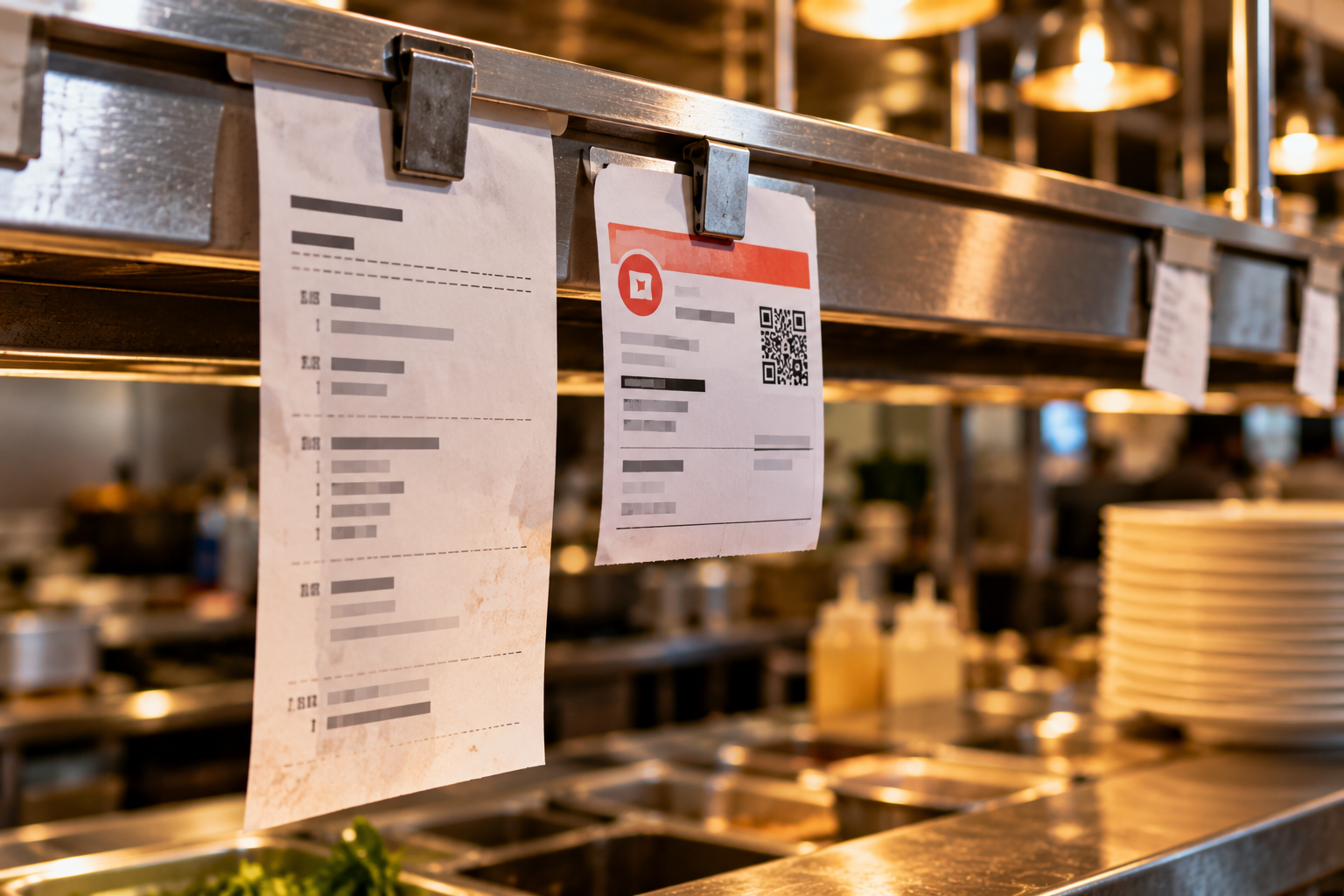
When a claim shows up on your statement and your records say the bag left complete, file a dispute in the platform's merchant dashboard the same day. Time matters: older claims are harder to win.
Step 1: Confirm your records. Check the kitchen ticket, the photo if you have one, and the handoff log. Dispute only the claims your records contradict.
Step 2: File through the dashboard. Use the refund or dispute section in the DoorDash Merchant Portal, Uber Eats Manager, or Grubhub for Restaurants. Attach your evidence: the ticket, the photo, and the handoff timestamp.
Step 3: State the facts plainly. Keep it short: the order was prepared complete, the bag was sealed, the driver received it at a recorded time. Attach the evidence. Do not argue motives.
Step 4: Track the case number. Save every confirmation and case number. If support promises a credit, follow up until it lands on your statement.
Step 5: Log the outcome. Record which claims you disputed and what happened. Over a month or two, this log shows you which claim patterns are worth fighting and which are not.
For a broader weekly routine that catches these claims alongside every other payout leak, read our guide on how to audit your delivery app payout statement.
When the Claims Keep Coming
A steady stream of missing item claims usually means one of two things: an operational problem you can fix (packing station errors during rush, unclear ticket handoffs), or a pattern of abuse that no packing change will solve.
If it is operational, your own logs will show it: the same station, the same shift, the same missing side. Fix the station and the claims drop.
If the claims look like abuse, the fight moves to the platforms, and that fight is slow. This is where Jelly comes in. Founded in 2021, Jelly disputes unfair delivery app refunds for restaurants, including missing item claims your records contradict, with an 89% success rate. See the plans and the free trial at gotjelly.com/plans.
Frequently Asked Questions
What is the most common refund type on delivery apps?
Missing item claims. Customers report that one or more items never arrived, and the platform refunds the item or the full order, deducting it from the restaurant's payout.
Can a restaurant dispute a missing item refund?
Yes. File through the platform's merchant dashboard with evidence: the kitchen ticket, a photo of the packed order, and the driver handoff record. Claims your records contradict are the ones worth disputing.
How do I prove an item was in the bag?
The strongest evidence is a photo of the completed, sealed order taken before handoff, filed by date and matched to the order number. Kitchen tickets and handoff timestamps back it up.
Do tamper-proof stickers actually help with disputes?
Yes. A sealed bag makes it far harder for a missing item claim to stand unchallenged, and stickers give you a concrete fact to cite in the dispute instead of your word against the customer's.
What if the same customer keeps claiming missing items?
Log the pattern with dates and order numbers. Platforms track customer claim behavior, and a documented pattern of repeat claims from one account strengthens your disputes and can trigger the platform's own fraud review.
Should I dispute every missing item refund?
No. Dispute the claims your records contradict. Absorb the honest mistakes, fix the operational ones, and fight the ones that do not match what your kitchen actually sent out.


Comments