.png)
Delivery App Chargebacks vs Refunds: What Restaurants Need to Know

Most restaurant owners use the words refund and chargeback interchangeably. On delivery apps, they are two different things, and the difference costs real money. A refund comes from the platform and is deducted from your payout. A chargeback comes from the customer's bank, bypasses the platform's dispute process entirely, and can cost you far more than the price of the order.
Here is how each one works, why delivery orders are especially exposed to chargebacks, and what to do when one lands.
The Difference, Plainly Stated
A refund happens inside the delivery app. The customer complains to DoorDash, Uber Eats, or Grubhub, the platform refunds them, and the amount is deducted from your payout. You can dispute it through the platform's merchant dashboard, and our guide on how restaurants dispute unauthorized refunds walks through that process.
A chargeback happens outside the app. The customer complains to their credit card company instead. The bank pulls the money back from the platform, the platform pulls it from you, and the bank's decision is final in a way a platform support agent's is not. You are not arguing with a dashboard. You are arguing with a bank.
The practical difference: refunds are routine and cheap to fight. Chargebacks are rare, expensive, and time-consuming.
How a Delivery Order Becomes a Chargeback
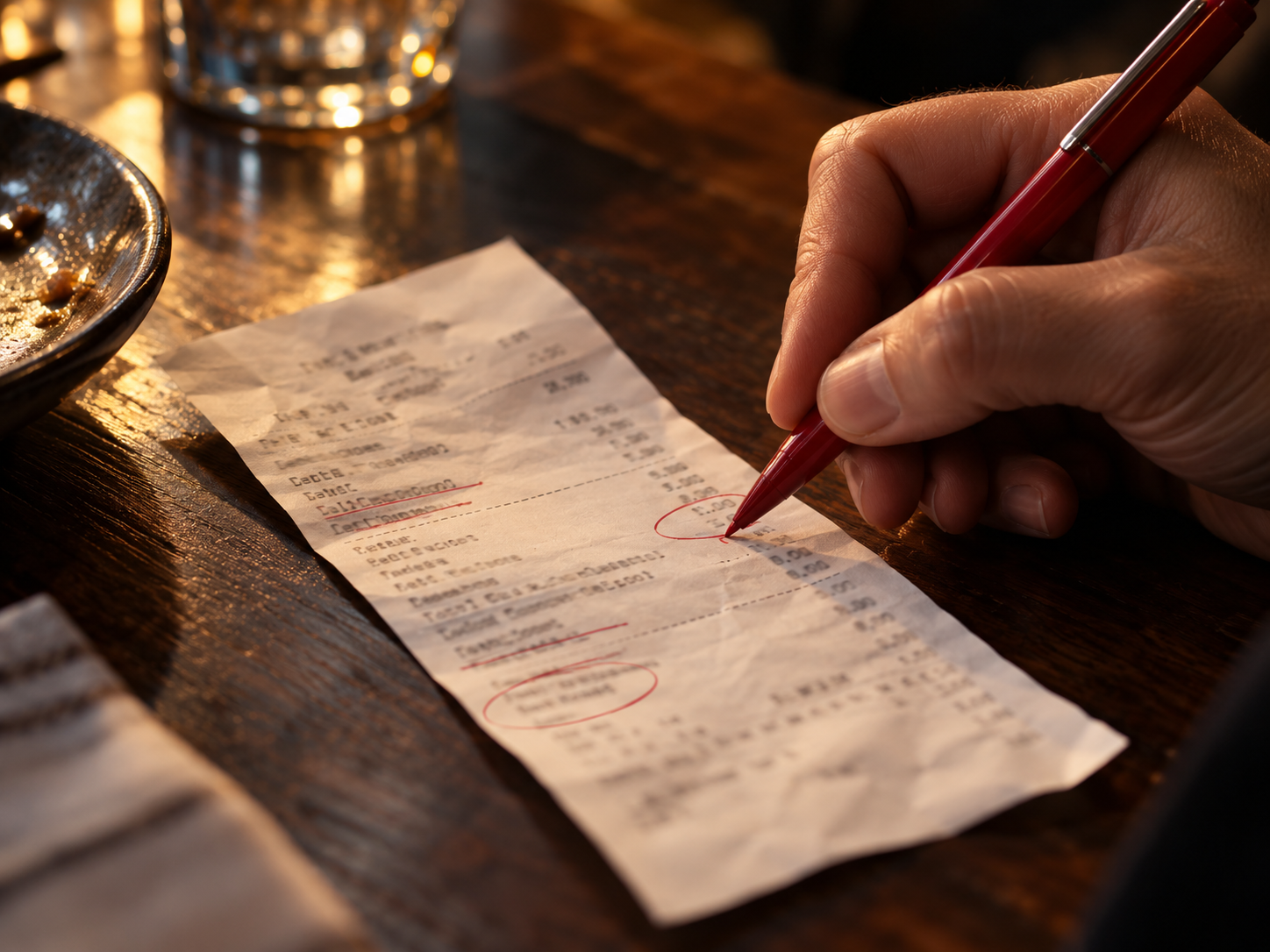
The path usually looks like this:
1. The customer places a delivery order and pays by credit card through the app. 2. Something goes wrong, or the customer decides something went wrong: late delivery, missing items, food they did not like, or simply a charge they claim not to recognize. 3. Instead of complaining through the app, the customer calls their card issuer and disputes the charge. Common reason codes include "item not received," "not as described," and "unauthorized transaction." 4. The bank issues a provisional credit to the customer immediately and debits the merchant side. The platform passes the debit to your restaurant. 5. You receive a chargeback notice, often weeks after the order, with a deadline to respond with evidence.
Note the timeline. A refund hits your payout within days. A chargeback can arrive a month or more after the food was eaten, when your kitchen tickets are filed away and your staff has forgotten the order.
What a Chargeback Actually Costs
The order total is only the beginning. Chargebacks carry costs that refunds do not:
The full order amount, pulled back from your account.
Chargeback fees, typically $15 to $100 per case depending on the processor, charged to you win or lose.
Your time, because representment (the formal response to the bank) requires assembling a complete evidence packet for a single order.
Your chargeback ratio.Too many chargebacks relative to total transactions can flag your account, and in extreme cases affect your ability to process cards at all.
One $40 order can easily cost $60 to $140 once fees are included. A handful of those a year is a meaningful hit for a single location.
Why Delivery Orders Are Chargeback-Prone
Delivery creates the perfect conditions for chargebacks:
The restaurant never sees the customer or the card.Everything happens through the app, which weakens the evidence trail.
Delivery problems look like merchant problems.A late or cold delivery is the driver's fault, but the bank sees only the restaurant's name on the charge.
The "unauthorized" reason code is easy to abuse.A customer who ordered from a shared family account can claim they never made the purchase.
High-ticket orders attract disputes.Large catering-style delivery orders are the most expensive chargebacks and the ones customers are most tempted to contest.
Preventing Chargebacks: The Documentation Habit
You cannot prevent every chargeback, but you can make yourself winnable when one arrives. The method is the same one that wins refund disputes: keep records that prove the order was real, complete, and delivered.
Match kitchen tickets to delivery order numbers.Every order that leaves your kitchen should have a paper trail tying the ticket to the app order.
Seal every bag.Tamper-proof seals connect the packed order to the delivered order. Chargeback evidence packets are stronger with proof the bag left sealed.
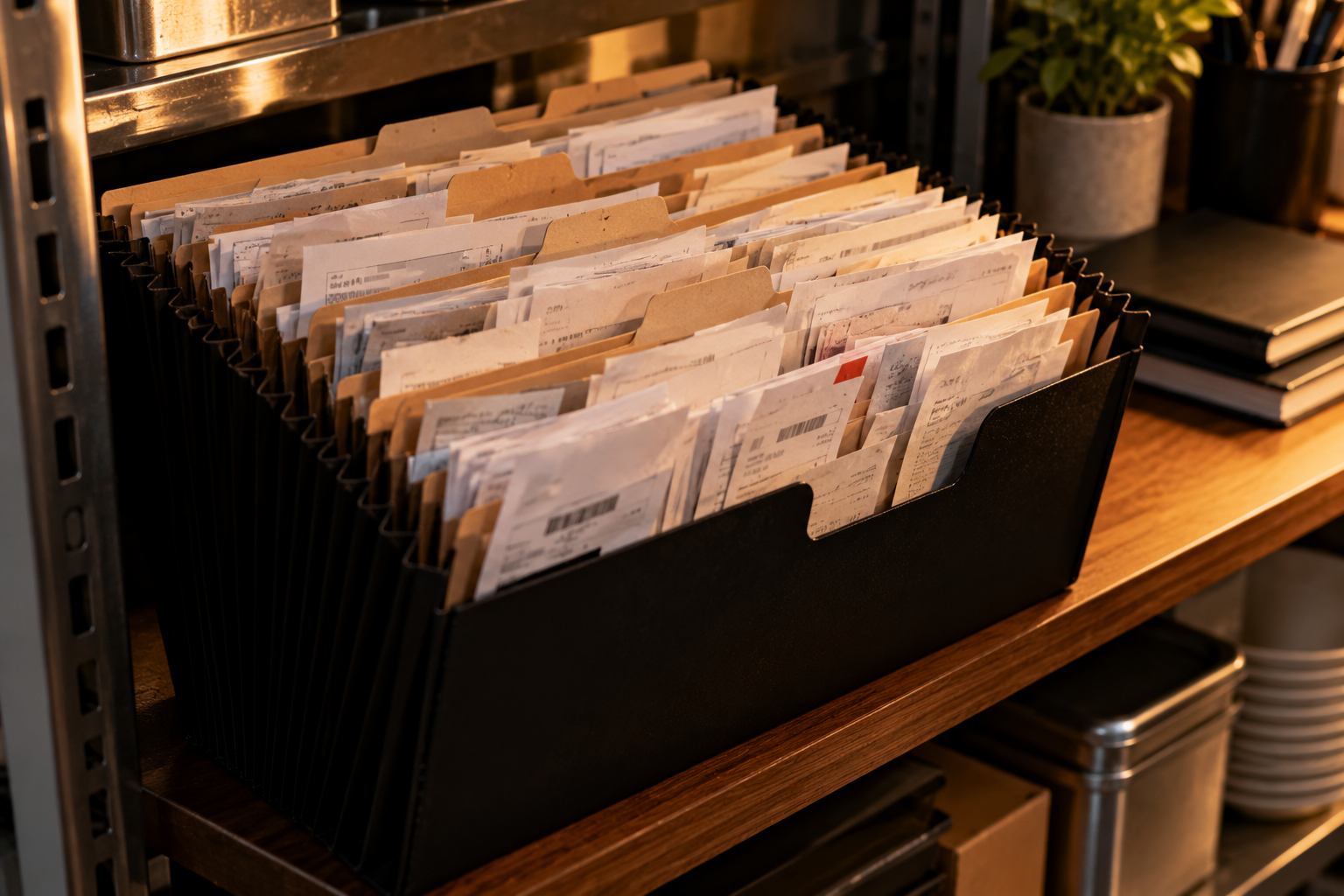
Photograph completed orders.A dated photo of the packed order, filed by order number, is the single best exhibit in a representment packet.
Keep delivery confirmation.The app's record of the completed delivery, the time, and the driver assignment is your proof the order arrived.
Save all correspondence.If the customer contacted you or the platform about the order before the chargeback, those messages are evidence the dispute was known and being handled.
Store all of it by date in one place. A chargeback notice gives you a fixed window to respond, usually around two to three weeks, and digging through a month of records under a deadline is how cases get lost.
How to Fight a Chargeback: Representment
When the notice arrives, you respond through the platform's chargeback process (some platforms handle the bank communication for you; others require you to submit through your own processor). The response is called representment. Here is how to build it:
Step 1: Read the reason code. The bank tells you why the customer disputed: not received, not as described, unauthorized, or canceled. Your evidence packet must answer that specific claim.
Step 2: Assemble the packet. Order details from the app, the kitchen ticket, the photo of the packed order, the delivery confirmation with timestamp, and any correspondence about the order. One clean packet, not a pile of screenshots.
Step 3: Write a short cover summary. State the facts: the order was placed through a verified account, prepared complete, sealed, picked up by the driver at a recorded time, and delivered. Reference each exhibit by name.
Step 4: Submit before the deadline. Late responses lose automatically. File early and keep the confirmation.
Step 5: Record the outcome. Win or lose, log the reason code and the evidence you used. Patterns in your losses tell you what documentation to strengthen.
When to Bring In Help
Chargebacks are winnable, but they are labor-intensive: one case can eat an hour or more of an owner's time for a single order. If chargebacks and unfair refunds are stacking up, or your disputes keep dying in the platform's queue, that is the point where outside help pays for itself.
Founded in 2021, Jelly recovers unfair delivery app deductions for restaurants at an 89% success rate, handling the evidence, the filings, and the back and forth. See the plans and the free trial at gotjelly.com/plans.
Frequently Asked Questions
What is the difference between a delivery app refund and a chargeback?
A refund happens inside the app: the platform returns the customer's money and deducts it from your payout. A chargeback happens outside the app: the customer's bank pulls the money back, the platform passes the debit to you, and you respond through a formal bank process called representment.
How much does a chargeback cost a restaurant?
Beyond the order total, expect a chargeback fee of roughly $15 to $100 depending on the processor, plus your time assembling the evidence packet. One $40 order can cost $60 to $140 all in.
Can a restaurant win a delivery chargeback?
Yes. Banks decide on evidence. A packet showing the order was placed on a verified account, prepared complete, sealed, picked up at a recorded time, and delivered wins a meaningful share of cases.
What reason codes do delivery chargebacks use?
The most common are item not received, not as described, and unauthorized transaction. Your response must answer the specific reason code the bank assigned.
How long do I have to respond to a chargeback?
Usually around two to three weeks from the notice date, depending on the platform and processor. Late responses lose automatically, so file early.
Do tamper-proof seals help against chargebacks?
Yes. Sealed bags are concrete evidence that the order left your restaurant complete, and they directly counter "not as described" and "item not received" claims.


Comments