.png)
Uber Eats Froze This Restaurant's Payouts for 3 Months: What to Do When Your Payout Stops

A Baltimore restaurant has been cooking Uber Eats orders for months without getting paid for them.
Jollof Bowl, a West African spot inside Cross Street Market in Federal Hill, says its Uber Eats payouts stopped in July. The orders never stopped. Customers kept ordering, drivers kept picking up, and the restaurant kept cooking. The money just never arrived.
By October, the owners estimated about $30,000 in missing payouts, plus roughly $19,000 in unexplained "adjustment fees" taken since they joined the platform last year. Their story, reported by CBS Baltimore, is an extreme version of a problem every restaurant on a delivery app should understand: the platform controls your money, and when something goes wrong, you are the last to know.
What happened to Jollof Bowl?
The timeline matters, because it shows how slowly these cases move when a restaurant handles them alone.
July 2026:Daily deposits start coming up short. Co-owner Lekan Oketunji notices the payouts no longer match the orders.
September 18:Uber Eats tells the restaurant that "unusual activity" led to a hold on its payouts.
September 22 and 28:Follow-up emails blame the delay on a backlog of requests. The restaurant is told the hold will not affect its visibility, and it can keep accepting orders.
October:The restaurant has also lost access to parts of its Uber Eats back-end tools. Support replies are automated or delayed for weeks.
October 9:After local media contacts Uber, a spokesperson says the issue has been "escalated for further review" and the company is reaching out to the restaurant directly.
"We're essentially giving away free food, $30,000 of free food because we have not been paid for it," co-owner Andrea Kamara told reporters. Delivery apps account for roughly a third of Jollof Bowl's business, and the downtown location depends on delivery because parking is scarce.
Note the detail that should bother every operator: the platform froze the money but kept the orders flowing. From the app's side, the hold was a risk measure. From the restaurant's side, it was three months of food cost and labor with no revenue to show for it.
Why do delivery apps freeze restaurant payouts?
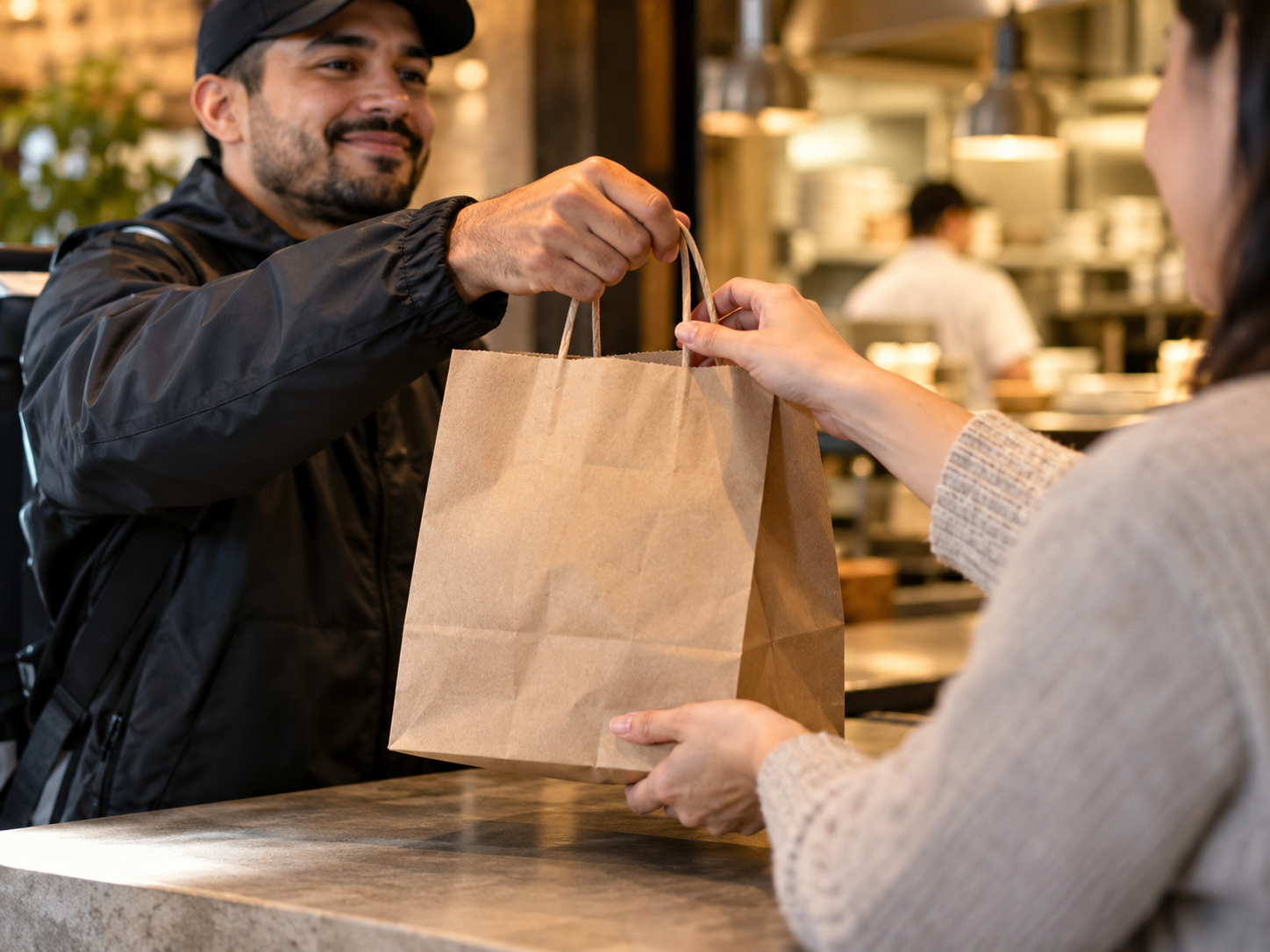
Platforms rarely explain holds in plain language, but the common triggers are consistent across DoorDash, Uber Eats, and Grubhub:
Fraud and security flags.A suspected compromised account, an attempted bank account change, or unusual login activity can trigger an automatic payout hold. The platform freezes first and investigates later.
Verification problems.Expired IDs, mismatched tax information, or a bank account name that does not match the business name can quietly stall payouts.
Refund and dispute spikes.A sudden rise in refunds or chargebacks can flag an account for review, and the platform may hold funds while it looks.
Policy reviews.Menu, pricing, or account changes sometimes route an account into a manual review queue with no clear timeline.
The common thread: the hold is usually automated, the explanation is vague, and the clock runs on the restaurant's cash flow, not the platform's.
What should you do the week your payout stops?
Do not wait for the platform to fix it. Jollof Bowl waited through months of automated replies. Work the problem in this order:
1. Document everything immediately. Screenshot your payout dashboard, expected deposit amounts, and actual deposits. Save every support email. Dates and amounts are your leverage. 2. Check the boring causes first. Confirm your bank details, tax information, and business verification are current in the merchant portal. A mismatch here is the fastest hold to clear. 3. Open one case and keep one thread. Reference the same case number in every reply. Scattered tickets reset your place in line and produce contradictory answers. 4. Escalate in writing, with numbers. "My payout is late" gets an auto-response. "You owe $X across Y payout periods since [date], case # Z" gets a human. State the total, the period, and the business impact. 5. Keep a parallel revenue path. Jollof Bowl survived on foot traffic and other apps, and pushed customers toward direct ordering on its own website. If one platform is a third of your revenue, a freeze is an emergency, not an inconvenience. 6. Set a deadline for outside help. If two weeks of escalation produce only automated replies, escalate beyond support: your platform account rep, your state attorney general's consumer protection office, or local media. In this case, a reporter's phone call produced in one day what three months of emails did not.
What are adjustment fees, and why should you audit them?
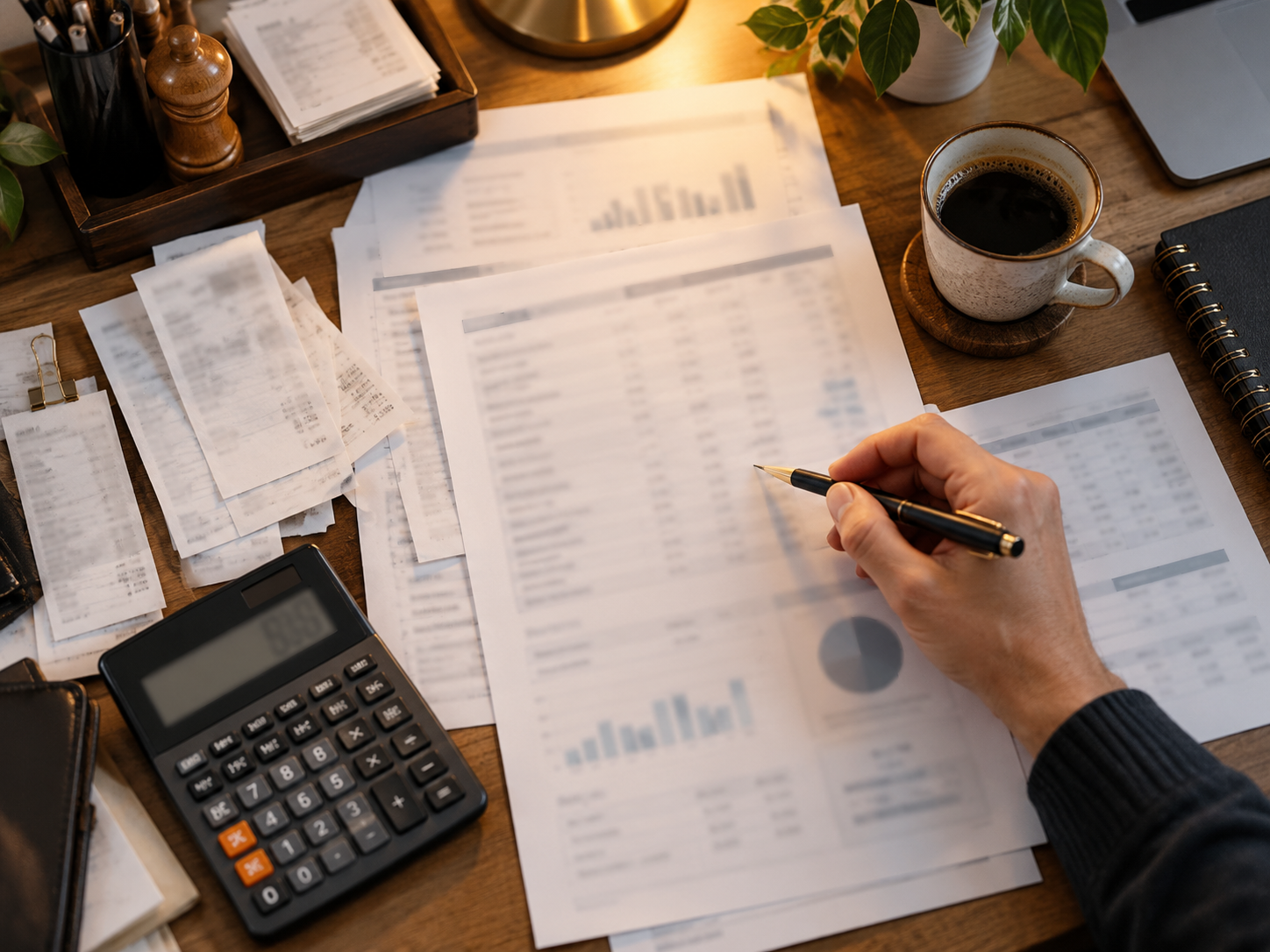
The $19,000 figure in this story deserves its own spotlight. "Adjustments" is the bucket where platforms put corrections: refund deductions, canceled-order charges, pricing errors, and promotional chargebacks. Some are legitimate. Many are never examined.
Here is the uncomfortable math. Adjustments come out of your payout automatically, itemized in reports most operators never open. A restaurant doing steady delivery volume can lose hundreds of dollars a week to adjustments it never agreed to and never sees. The only defense is a regular audit, comparing every adjustment against the order it claims to correct. That is the process we walk through in how to audit your delivery app payout statement, and it is the same discipline that separates a chargeback from a refund before the money is gone.
How do you protect your restaurant before a payout freeze happens?
Reconcile weekly, not monthly.A shortfall caught in week one is a support ticket. A shortfall caught in month three is a news story.
Know your exposure.Calculate what share of revenue each platform represents. If losing one platform's payouts for 90 days would break you, that is a risk to fix now, with direct ordering and a second platform.
Keep your verification boring.Update tax documents, IDs, and banking details before they expire, and screenshot confirmations.
Audit adjustments like you audit food cost.Every line item should trace to a real order and a real reason.
This is the work Jelly does for restaurants every week: monitoring payouts, auditing adjustments line by line, and disputing the charges that should never have been taken. We have recovered $1.6M+ for hundreds of restaurant locations, with an 89% dispute success rate. If your payouts do not match your orders, see our plans. Pro comes with a 30-day free trial.
Frequently asked questions
Can a delivery app legally hold a restaurant's payouts? Yes, within the terms of the merchant agreement you accepted. Platforms can hold payouts for fraud review, verification problems, or policy investigations. The agreement rarely guarantees a timeline, which is why documentation and written escalation matter.
How long do payout holds usually last? Simple verification issues can clear in days. Fraud or security reviews can take weeks or months, especially when support communication is automated. Jollof Bowl's hold ran from July into October.
What is an adjustment fee on Uber Eats? "Adjustments" is Uber Eats' label for corrections deducted from your payout, including refund deductions, canceled orders, and pricing corrections. Each one should trace to a specific order. If it does not, dispute it, and check who pays when a delivery app cancels your order for how those charges are supposed to work.
Should I stop accepting orders if my payouts are frozen? That is a cash flow decision only you can make. The platform will usually let you keep accepting orders during a hold. Weigh the food and labor cost of unpaid orders against the visibility and ranking you lose by pausing, and push customers to direct ordering in the meantime.


Comments