
Wrong Order Refunds: How Restaurants Dispute Incorrect Orders on DoorDash, Uber Eats, and Grubhub

A customer orders a chicken sandwich with no pickles and gets a fish sandwich with extra pickles. The app refunds the whole order, and the money comes out of your payout. The kitchen packed the order right, or maybe it did not, but either way the refund lands on you first and the questions come later. Wrong-order refunds are one of the most common refund types on delivery apps, and they are also one of the most disputable, because the mistake usually leaves a trail.
Wrong orders are not rare. A secret shopper study by Intouch Insight, reported by Restaurant Business in November 2026, found that 90% of delivery customers received exactly what they ordered, which means 1 in 10 orders arrived wrong. Accuracy slipped further at slow times, to 87% in the mid-afternoon and 86% late at night. A Circuit survey of more than 1,000 customers found that 9 in 10 had a food or grocery delivery go wrong, and 52% asked for a refund when it did. Most of those refunds are real. Some are not yours to pay.
Why Wrong Orders Happen
A wrong order has three usual causes, and knowing which one it was decides whether the refund is disputable:
The kitchen packed it wrong. A modifier missed, a similar item swapped, a side left out. This one is on the restaurant, and disputing it wastes your time.
The bag was checked wrong or not checked. The order was right on the ticket and wrong in the bag because nobody matched the ticket to the contents before sealing it.
The driver took the wrong bag. Two orders on the pass, similar bags, one handoff. The food was right when it left the kitchen and wrong when it arrived.
The apps do not sort this out for you. When a customer reports a wrong item, the platform refunds first and asks questions only if you dispute. That is why the record you keep at the pass matters more than the argument you make later.
What Each Platform Does With a Wrong-Order Refund
The three platforms handle incorrect-order claims the same way in practice: the customer reports it in the app, the refund is issued, and the cost is deducted from your payout. The differences are in the window and the process:
DoorDash. The customer reports a wrong or missing item from the order screen. DoorDash issues the refund and deducts it from the restaurant payout. You dispute it from the merchant portal with your evidence.
Uber Eats. The customer reports the issue in the app, often with a photo. Uber Eats refunds and deducts, and you dispute through the merchant portal or the dispute flow on the payout statement.
Grubhub. Same pattern: the customer reports it, Grubhub refunds, and the deduction shows on your statement. Disputes go through the Grubhub merchant portal.
None of the three platforms verifies the claim before refunding. A customer who says the order was wrong gets the money back, and the restaurant has to prove otherwise after the fact. The deadlines are short, so check the statement every week. Delivery app refund deadlines lays out how long you have on each platform.
When a Wrong-Order Refund Is Yours to Dispute
Not every wrong-order refund is fair, and the ones that are not share a pattern: the kitchen has proof the order was right. Dispute when any of these apply:
The ticket matches the bag. You have a photo of the packed order, or the ticket and the bag contents were checked and matched before handoff.
The customer claim contradicts the order. The customer says an item was missing that was never on the ticket, or says they got the wrong dish when the ticket shows exactly what arrived.
Two orders were mixed at handoff. The driver took the wrong bag, and the other customer got yours. The kitchen record shows both orders packed correctly.
The refund covers more than the wrong item. The customer got one wrong side and the platform refunded the full order. The rest of the order was correct and eaten.
What wins these disputes is the same evidence every time: the order ticket, a photo of the packed bag, and a note of who handed it to the driver and when. What evidence wins a delivery app refund dispute is the full checklist. If you have none of that, the dispute is a coin flip, and the platform usually keeps the refund.
A wrong-order refund you can prove is a wrong-order refund you can win back. A wrong-order refund with no record is a cost of doing business.
That is the real lesson. The margin underneath is thin: the National Restaurant Association's 2025 Restaurant Operations Data Abstract, covering more than 900 restaurants, puts the median pre-tax income at 2.8% of sales for full-service restaurants and 4.0% for limited-service restaurants. A refunded $40 order costs more than the food in it, because the commission, the packaging, and the labor are already spent. At 1 in 10 orders arriving wrong, even a small share of unfair refunds adds up to real money over a month.
How to Cut Wrong Orders Before They Happen
Disputes recover money after the fact. Prevention keeps it from leaving in the first place, and it takes about fifteen seconds per order:
Match the ticket to the bag, out loud. One person reads the ticket, one person checks the bag. Call out modifiers, not just item names.
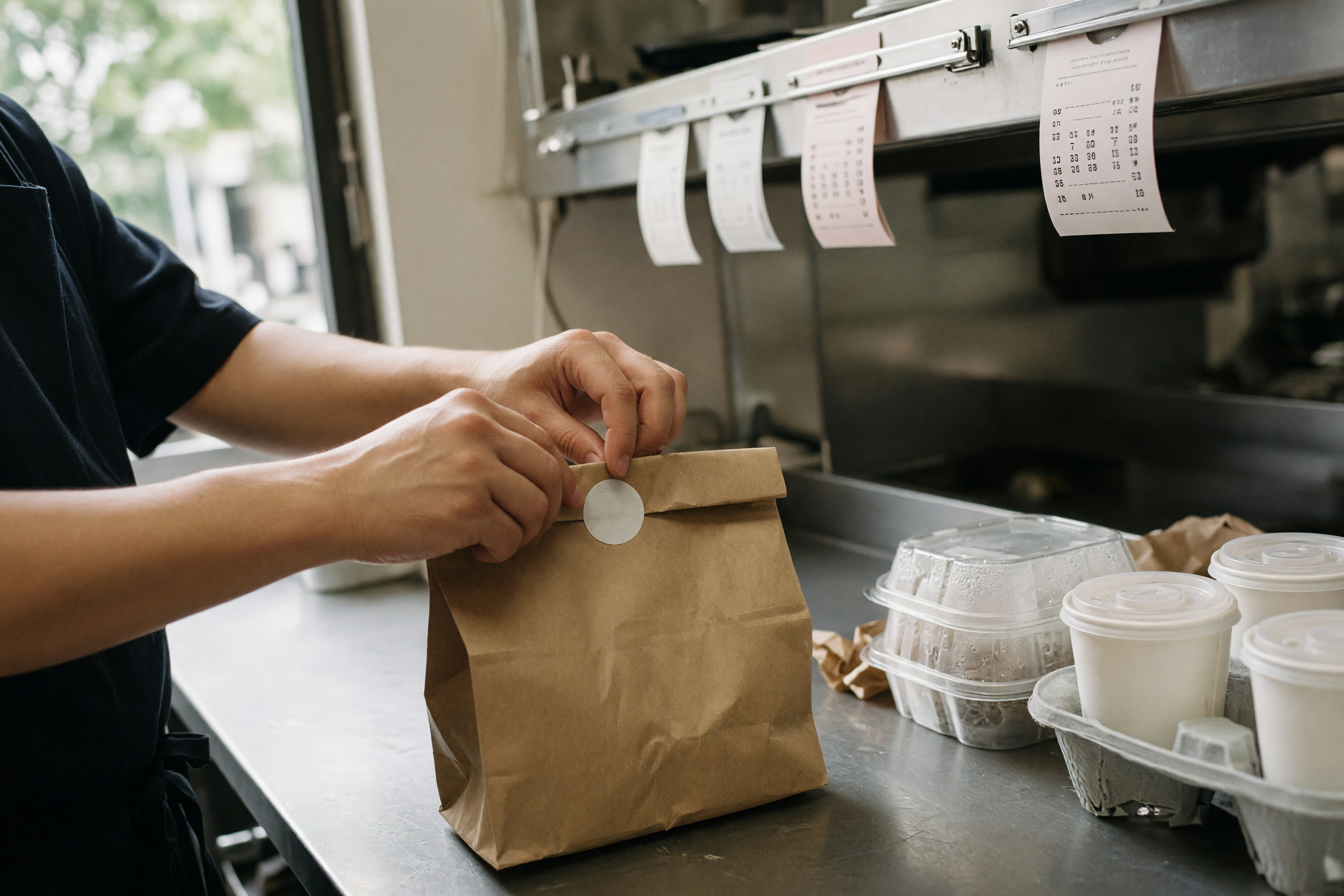
Seal the bag in front of the ticket. A sticker or staple across the closure, with the ticket attached to the bag, so the driver and the customer see the same order.
Photograph the packed order. A quick phone photo of the bag with the ticket takes two seconds and is the single best piece of dispute evidence you can have.
Separate similar orders on the pass. Two bags for the same driver, or two orders with the same main dish, get spaced apart and labeled with the customer name.
Track the pattern. If wrong orders cluster on one station, one shift, or one menu item, the fix is in the kitchen, not in the dispute portal. Missing item refunds covers the same discipline for items left out of the bag.
None of this is complicated. It is a habit, and the restaurants that build it lose fewer orders and win more disputes.
Frequently Asked Questions
Who pays when a delivery order arrives wrong?
The restaurant pays first. The platform refunds the customer and deducts the amount from the restaurant payout, then the restaurant can dispute it. If the kitchen packed the order correctly and can prove it, the refund is disputable.
How do I dispute a wrong-order refund on DoorDash?
Dispute it from the DoorDash merchant portal with the order ticket, a photo of the packed order if you have one, and a short note on what was packed versus what the customer claimed. Check the refund deadlines, because the window to dispute is short.
How do I dispute a wrong-order refund on Uber Eats?
Dispute it through the Uber Eats merchant portal or the dispute flow on your payout statement, with the same evidence: the ticket, the packed-order photo, and the handoff record. Uber Eats often asks the customer for a photo, so yours matters more.
Can I dispute a refund when the customer got the wrong item but ate it anyway?
Yes, if the refund covers more than the item that was wrong. A customer who reports one wrong side and gets the full order refunded has been over-refunded, and the difference is disputable.
How do restaurants prevent wrong delivery orders?
Match the ticket to the bag before sealing, seal the bag with the ticket attached, photograph the packed order, and keep similar orders separated on the pass. Track which station or shift the errors come from and fix it there.
Jelly audits every payout line and disputes bad charges for restaurants on DoorDash, Uber Eats, and Grubhub. Founded in 2021, Jelly has recovered more than $1.6M for restaurants across hundreds of locations, with an 89% success rate on refund recovery. How the service works is in restaurant refund recovery service, and the plans are at gotjelly.com/plans, where Pro comes with a 30-day free trial.


Comments