
What Evidence Wins a Delivery App Refund Dispute? A Restaurant Checklist

Most refund disputes are not lost because the restaurant was wrong. They are lost because the restaurant had no record ready when the platform asked, or never filed at all. The customer's claim is one sentence in an app. Your dispute wins when it answers that sentence with timestamps, tickets, and a paper trail.
This checklist covers the evidence that matters for the three disputes restaurants file most: missing items, late delivery, and canceled orders, on DoorDash, Uber Eats, and Grubhub.
Why Evidence Decides Refund Disputes
Platforms refund first and ask questions later. A Circuit survey of 1,066 American consumers, reported by Restaurant Business, found that 52% of customers whose delivery went wrong asked for a refund, and Incognia found about 48% of consumer fraud detected on delivery apps involved refund fraud. Support teams reviewing your dispute see claims like these all day. The file with records attached is the one that gets reversed.
Since 2021, Jelly has recovered more than $1.6M for restaurants across hundreds of locations, with an 89% success rate on refund recovery. The pattern behind that rate is not aggressive language. It is complete evidence, filed fast, for every charge that the records contradict.
The Core Evidence Kit Every Restaurant Should Keep
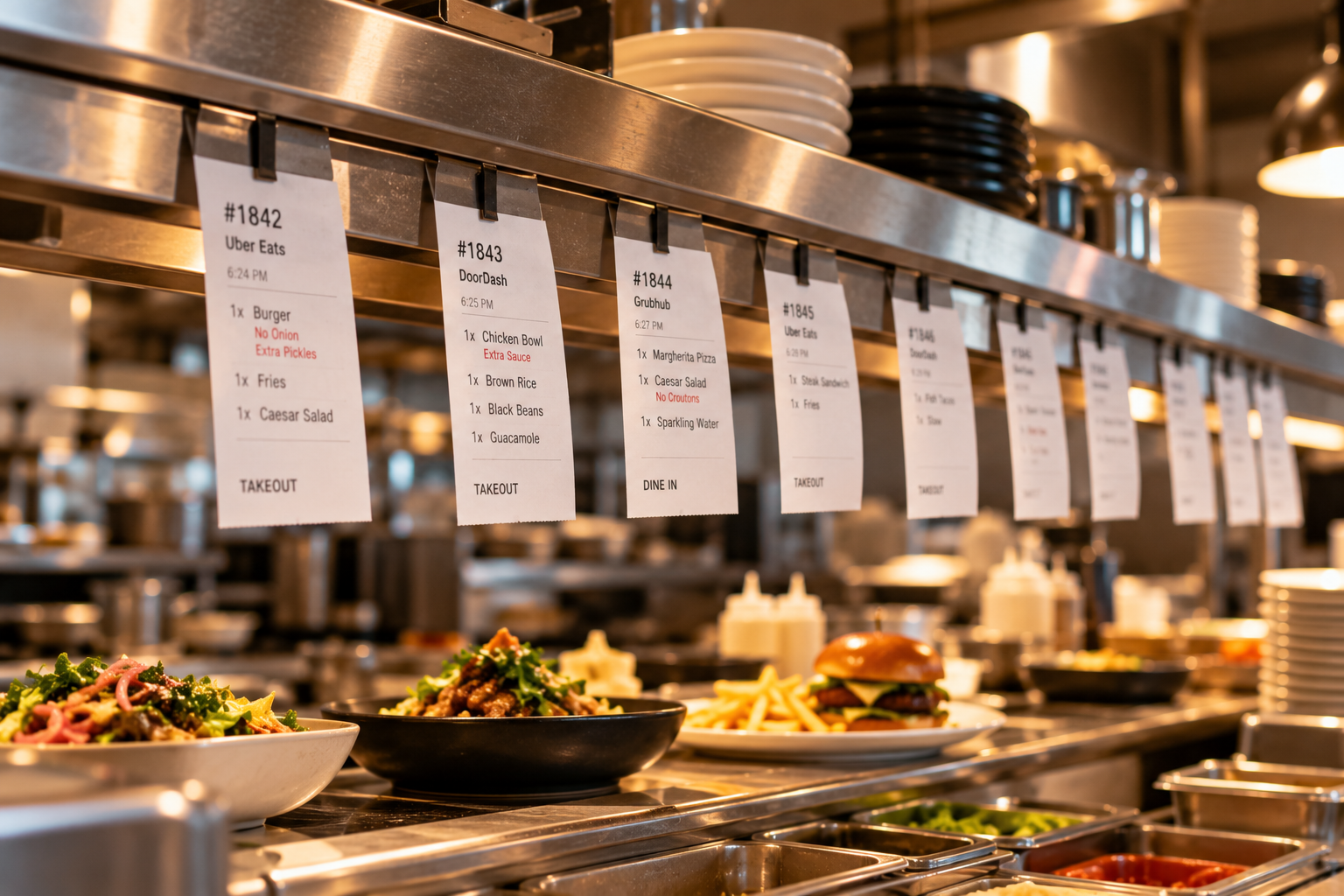
Keep these five records for every delivery order, for at least as long as your platforms allow disputes:
The kitchen ticket or POS record. Items ordered, time fired, time completed. This is the backbone of almost every dispute.
A packing check. Who packed the bag and a check against the ticket, initialled or logged. For missing item claims this is the direct answer; see missing item refunds.
A photo at the pass. A quick phone photo of the sealed bag with its ticket takes seconds and settles arguments about what left the kitchen.
Handoff time. When the bag went to the driver or the pickup shelf. POS, camera, or a simple log all work if the time is written down.
The platform order record. Order number, promised time, pickup and delivery times shown in the merchant app. Screenshot it when a dispute is likely, before details age out.
Evidence by Dispute Type
Missing item disputes
Ticket showing the item was ordered and fired, packing check, and the photo of the sealed bag. If the same customer or address repeats the claim, add the pattern: dates and order numbers of prior claims. Patterns are what turn a one-off denial into a reversal.
Late delivery disputes
Ready time from your ticket, pickup time and delivery time from the platform record, side by side. If your bag was ready on time and the gap sits between pickup and delivery, that timeline is the whole case. More in late delivery refunds.
Canceled order disputes
Proof the food was made before the cancellation: fired ticket time, a photo of the finished order, and the cancellation timestamp from the platform. That sequence is what separates an unpaid loss from a payable order; see who pays when a delivery app cancels your order.
Chargebacks
Bank disputes need the order record, delivery confirmation, and any customer communication, assembled to the processor's deadline. Chargebacks are not platform refunds and the evidence goes to a different reviewer; see delivery app chargebacks vs refunds.
How to File So the Evidence Gets Read
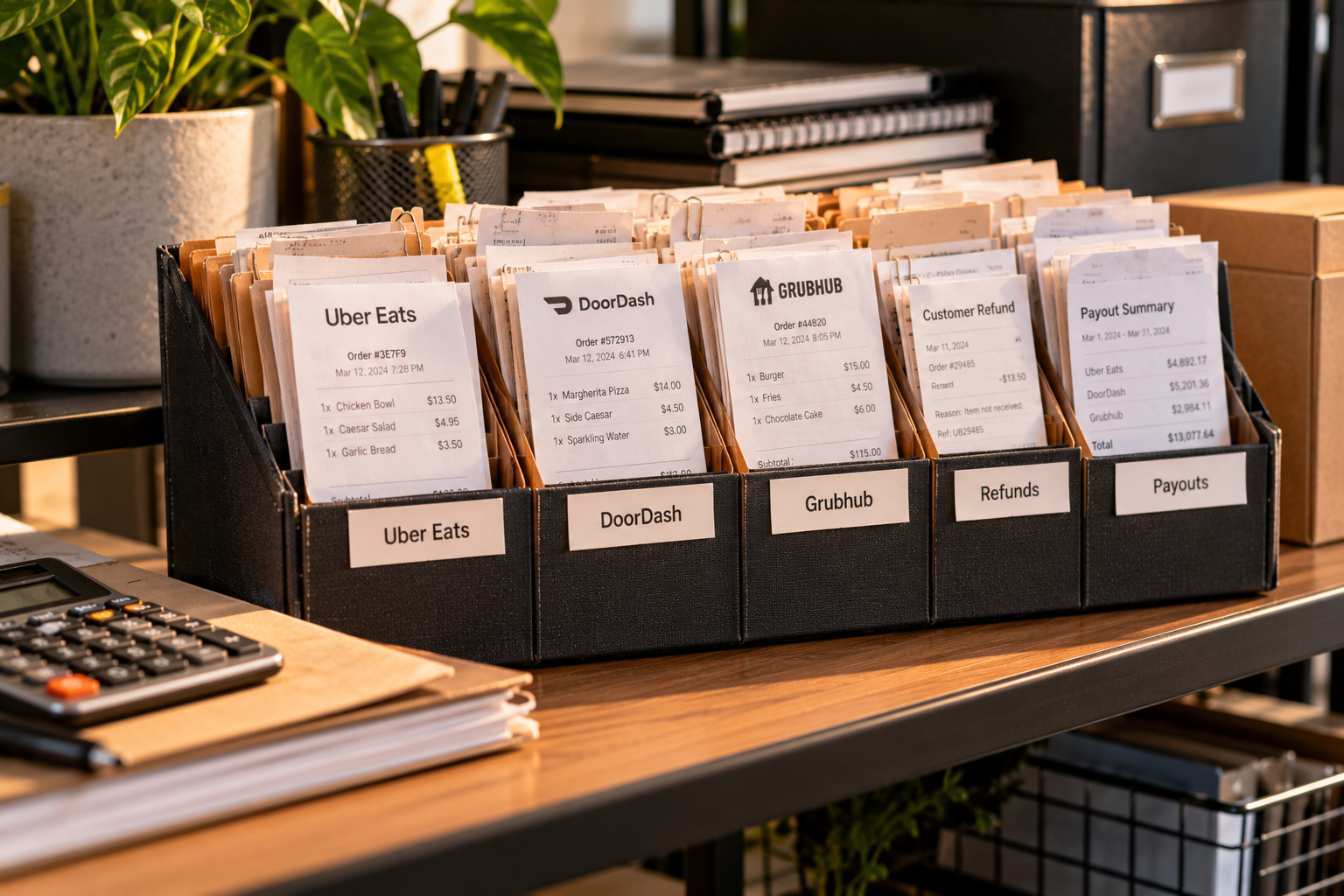
One order per dispute. Never bundle unrelated orders into one complaint.
Lead with the timeline. Ready, packed, handed off, delivered, in that order, with times.
Attach, do not describe. Upload the ticket and photo instead of saying records exist.
File in the same week. Pull the charge during your weekly payout statement audit and file while the platform record is complete.
Log the outcome. Case number, decision, and whether the credit actually landed on a later statement.
When Keeping Evidence Becomes Its Own Job
A busy location can generate dozens of disputable charges a month across three platforms, each needing its own file. Owners who start the checklist usually keep it; owners who fall behind lose the windows. Jelly, founded in 2021, keeps the records, builds the evidence file, and files every dispute for restaurants across hundreds of locations. See the plans at gotjelly.com/plans.
Frequently Asked Questions
What is the single most useful piece of evidence in a refund dispute?
The kitchen ticket matched to the platform order record. Together they show what was ordered, what was made, and when, which answers most missing item and late delivery claims directly.
Do restaurants need photos of every delivery order?
A photo of the sealed bag with its ticket is the fastest way to settle missing item claims, and it takes seconds at the pass. Restaurants that photograph every order dispute from a file that already exists instead of reconstructing events later.
How long should a restaurant keep delivery order records?
At least as long as your slowest platform allows disputes, and longer if you run a weekly audit. Keeping a rolling 90 days of tickets, photos, and order records covers the practical dispute windows with room to spare.
What if a restaurant has no records for a disputed charge?
File anyway if the charge is clearly wrong, for example a duplicate deduction, and start the checklist the same day. A dispute with thin evidence sometimes wins; the next one will have the full file.
Can evidence help with repeat refund abuse from the same customer?
Yes. A log of prior claims with dates and order numbers shows a pattern that a single dispute cannot. Platforms act on documented patterns, and support reviewers can see the history you attach.


Comments