
Delivery App Refund Deadlines: How Long Restaurants Have to Dispute a Charge

Every delivery app refund has a clock on it. The deduction lands on your payout, the dispute window starts running, and once it closes, the charge is final no matter how good your records are. Most restaurants do not lose disputes on the facts. They lose them by filing late, or by never filing at all.
This guide covers how refund dispute windows work across DoorDash, Uber Eats, and Grubhub, what happens when a window closes, and the weekly routine that keeps your restaurant inside every deadline.
Why Refund Deadlines Decide More Cases Than Evidence Does
A dispute is only as good as its timing. Kitchen tickets get thrown away, ticket rails get cleared, and staff forget which order was which. The longer a charge sits undisputed, the thinner your file gets, and the harder it is to show what actually happened.
The volume makes delay expensive. A Circuit survey of 1,066 American consumers, reported by Restaurant Business, found that nine in ten had a delivery go wrong and 52% asked for a refund. With that many claims landing every week, a restaurant that checks statements monthly is already weeks behind on its oldest charges.
How Dispute Windows Work on Each Platform
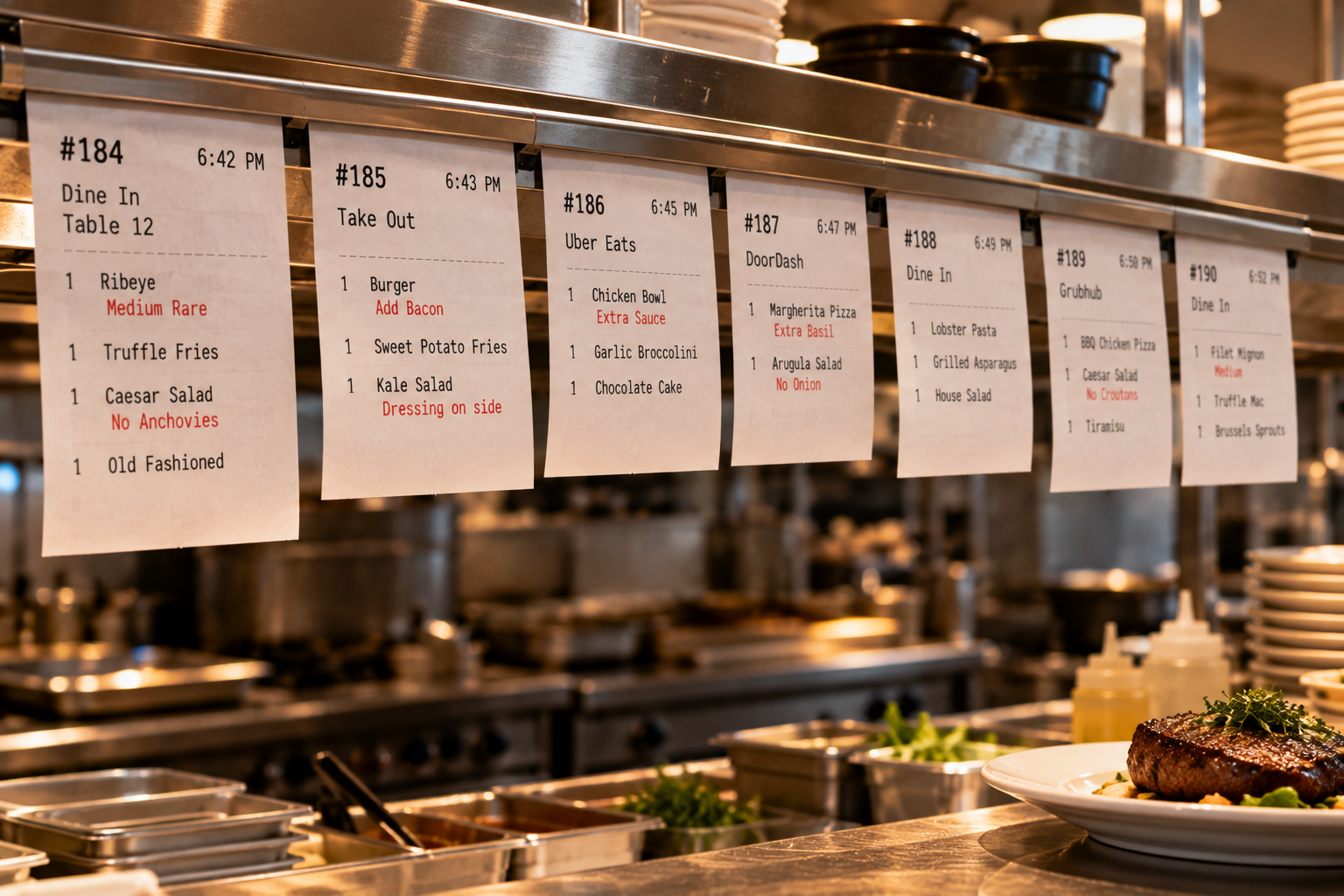
Platforms do not publish one simple deadline that covers every charge type, and windows differ by platform, charge type, and portal. Treat these as working rules, and confirm the current window in each platform's merchant portal when you file:
DoorDash. Disputes go through the merchant portal or merchant support, matched to the order and payout period. File in the same payout cycle you spot the charge; older charges are harder to document and harder to reopen.
Uber Eats. Disputes go through Uber Eats Manager or merchant support, matched to the order number. The same rule applies: the week you spot the deduction is the week to file it.
Grubhub. Disputes go through Grubhub for Restaurants or merchant support. The same payout-cycle discipline applies; a charge that survives two statements unchallenged is usually a charge you have accepted.
Chargebacks follow a different clock entirely. A bank dispute is not a platform refund, and it follows bank and card-network timelines rather than the platform's window; see delivery app chargebacks vs refunds.
What Happens When You Miss a Window
A missed window does not just cost one refund. It costs the pattern: the same customer claim, the same driver delay, the same fee error repeats on the next statement, and each repeat arrives with its own fresh clock that you are now also behind on. Restaurants that audit monthly do not have a dispute problem. They have a backlog problem, and backlogs are where deadlines go to die.
If a charge is already past its window, log it anyway. A pattern of identical charges, even unrecoverable ones, is the record you need to fix the operation behind them or to raise the issue with the platform as a recurring problem rather than a single order.
The Weekly Routine That Keeps You Inside Every Deadline
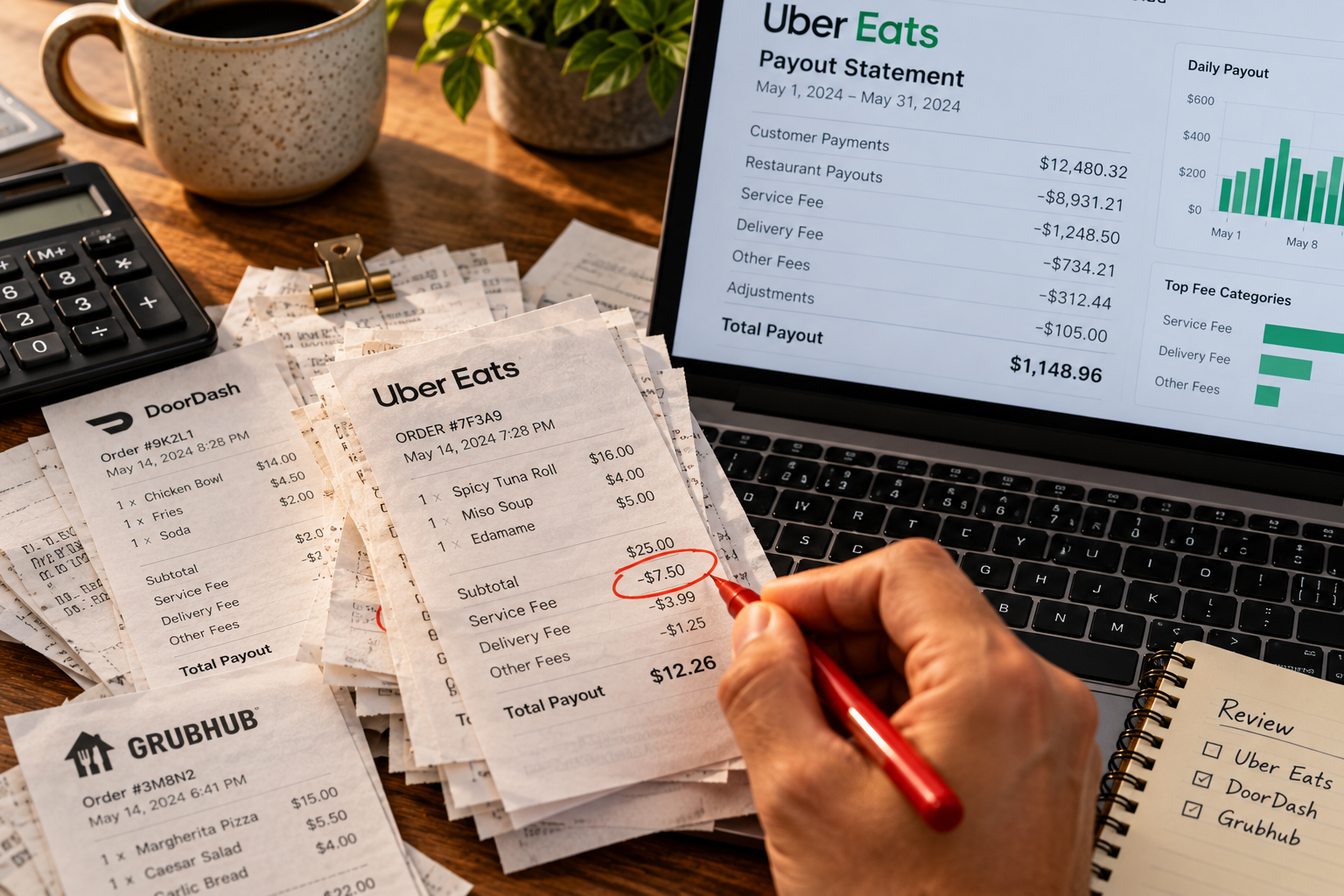
Step 1: Read the statement the week it lands. Match every deduction to its order number before the payout cycle turns over.
Step 2: Sort charges into three piles. Confirmed by your records, disputed with your records, and unclear pending a quick check. File the disputed pile the same week.
Step 3: Keep one file per order. Kitchen ticket time, items packed, handoff time, and any photo or log from the pass. The same records decide missing item refunds and late delivery refunds.
Step 4: Verify the credit. Save every case or reference number and check the next statement. A promised reversal that never appears is still an open case, with its own clock.
Step 5: Audit the full statement monthly. The weekly routine catches refunds; the monthly payout statement audit catches duplicate deductions and fee lines the weekly pass missed.
That loop is the work Jelly does full time. Founded in 2021, Jelly audits every payout line and disputes bad charges for restaurants across hundreds of locations on DoorDash, Uber Eats, and Grubhub, has recovered more than $1.6M, and holds an 89% success rate on refund recovery. See the plans at gotjelly.com/plans, where Pro comes with a 30-day free trial.
Frequently Asked Questions
How long do restaurants have to dispute a delivery app refund?
It depends on the platform and the charge type, and windows are limited. The safe rule is to file in the same payout cycle you spot the deduction, with the order records attached, and to confirm the current window in the platform's merchant portal when you file.
What happens if a restaurant misses the dispute deadline?
The deduction usually stands, even if your records would have won the dispute. Log the charge anyway: a pattern of identical charges is the record you need to fix the operation or raise a recurring issue with the platform.
Are chargeback deadlines the same as refund deadlines?
No. A bank chargeback follows bank and card-network timelines, not the platform's refund window, and it is handled differently from a platform refund.
What records do restaurants need to dispute on time?
Kitchen ticket time, items packed, handoff time, and any photo or log from the pass, filed in the same week the deduction appears, with the case number saved and the credit verified on the next statement.
How often should restaurants check delivery app payouts?
Weekly for refunds and deductions, monthly for a full payout statement audit. New orders create new claims every week, so a monthly-only check is already behind on its oldest charges.


Comments